UltiMaker CPE
OverStock Sale 10% CPE Black
Weight: 0.75kg
Diameter: 2.85mm
Length: Approximately 90m long
CPE is perfect for complex technical prints, it’s fairly stiff, strong and impact resistant. It’s also particularly good at bridging large gaps.
CPE requires a higher print temperature compared to PLA. CPE is easier to print than ABS and is very strong. It can be used for mechanical parts that do not heat up and for parts that could benefit from some flexibility. In contrary to ABS it can bend a little bit.
It’s safer in terms of fumes and particle emissions while printing. It’s also chemical resistant and is said to be water-tight. CPE can not be made smoother using chemical vapours.
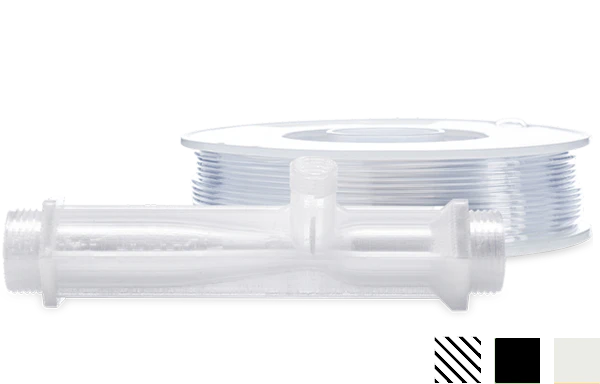
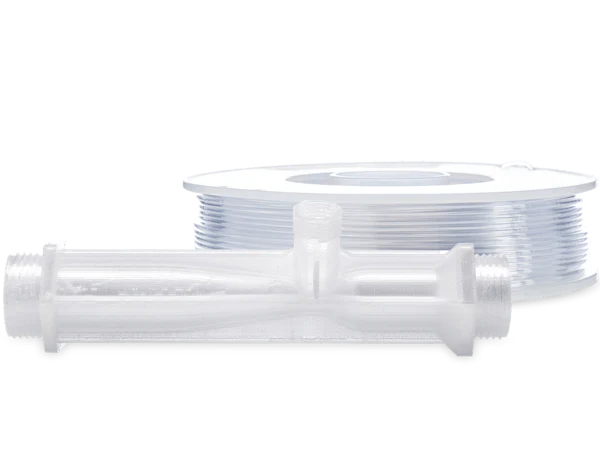
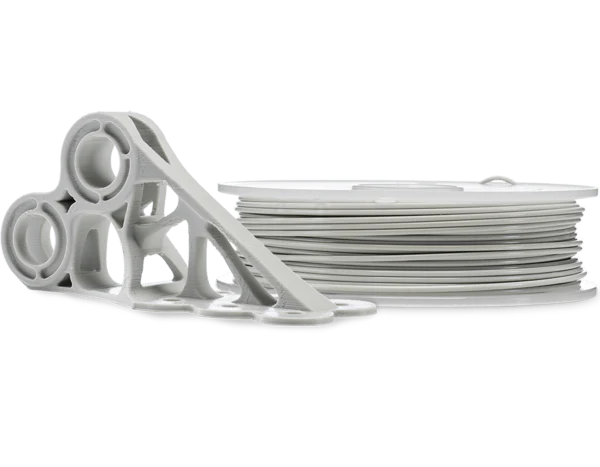
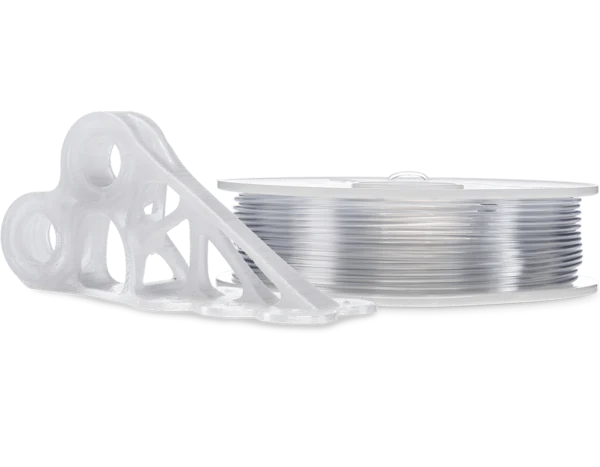
Transparent prints are also possible using the natural color of CPE. Using thick layers and a wider thread than your actual nozzle size (like 0.5mm extrusion with a 0.4mm nozzle) will benefit the transparency. The glass transition temperature for CPE is 75ºC.
The ideal printing temperature for CPE is between 235ºC and 250ºC. Your heated bed should be dialled in at 65ºC and it is recommended to use a glue stick for additional adhesion.
Original: $62.06
-70%$62.06
$18.62More Images

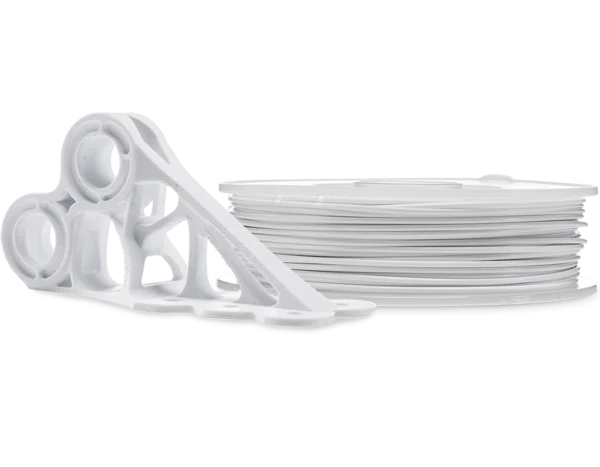
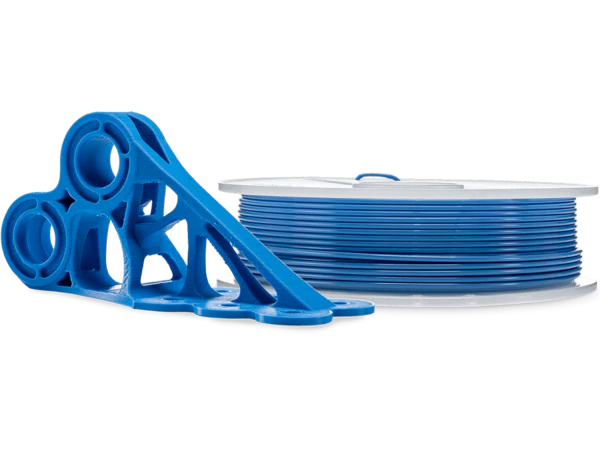
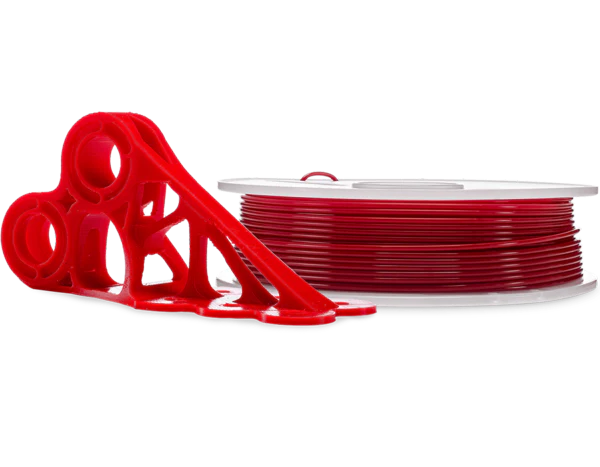
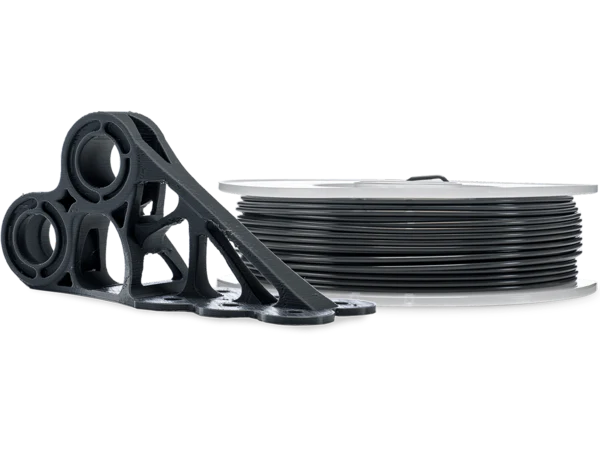
UltiMaker CPE
OverStock Sale 10% CPE Black
Weight: 0.75kg
Diameter: 2.85mm
Length: Approximately 90m long
CPE is perfect for complex technical prints, it’s fairly stiff, strong and impact resistant. It’s also particularly good at bridging large gaps.
CPE requires a higher print temperature compared to PLA. CPE is easier to print than ABS and is very strong. It can be used for mechanical parts that do not heat up and for parts that could benefit from some flexibility. In contrary to ABS it can bend a little bit.
It’s safer in terms of fumes and particle emissions while printing. It’s also chemical resistant and is said to be water-tight. CPE can not be made smoother using chemical vapours.
Transparent prints are also possible using the natural color of CPE. Using thick layers and a wider thread than your actual nozzle size (like 0.5mm extrusion with a 0.4mm nozzle) will benefit the transparency. The glass transition temperature for CPE is 75ºC.
The ideal printing temperature for CPE is between 235ºC and 250ºC. Your heated bed should be dialled in at 65ºC and it is recommended to use a glue stick for additional adhesion.
Product Information
Product Information
Shipping & Returns
Shipping & Returns
Description
OverStock Sale 10% CPE Black
Weight: 0.75kg
Diameter: 2.85mm
Length: Approximately 90m long
CPE is perfect for complex technical prints, it’s fairly stiff, strong and impact resistant. It’s also particularly good at bridging large gaps.
CPE requires a higher print temperature compared to PLA. CPE is easier to print than ABS and is very strong. It can be used for mechanical parts that do not heat up and for parts that could benefit from some flexibility. In contrary to ABS it can bend a little bit.
It’s safer in terms of fumes and particle emissions while printing. It’s also chemical resistant and is said to be water-tight. CPE can not be made smoother using chemical vapours.
Transparent prints are also possible using the natural color of CPE. Using thick layers and a wider thread than your actual nozzle size (like 0.5mm extrusion with a 0.4mm nozzle) will benefit the transparency. The glass transition temperature for CPE is 75ºC.
The ideal printing temperature for CPE is between 235ºC and 250ºC. Your heated bed should be dialled in at 65ºC and it is recommended to use a glue stick for additional adhesion.